
The Benefits of Progressive Relaxation for Stress Relief and Mental Clarity
Stress affects millions of people every day, often leading to physical tension and mental fog. Finding effective ways to manage stress is essential for maintaining both emotional balance and clear thinking. Progressive relaxation offers a practical, accessible method to reduce stress and improve mental clarity by focusing on the body’s tension and releasing it step by step.
What Is Progressive Relaxation?
Progressive relaxation, also known as progressive muscle relaxation (PMR), is a technique that involves tensing and then relaxing different muscle groups in the body. The goal is to increase awareness of physical sensations and promote deep relaxation. This method was developed in the early 20th century by Dr. Edmund Jacobson, who discovered that muscle tension often accompanies stress and anxiety.
By systematically working through the body, progressive relaxation helps people recognize where they hold tension and learn how to release it consciously. This process can calm the nervous system and reduce the physical symptoms of stress.
How Progressive Relaxation Works
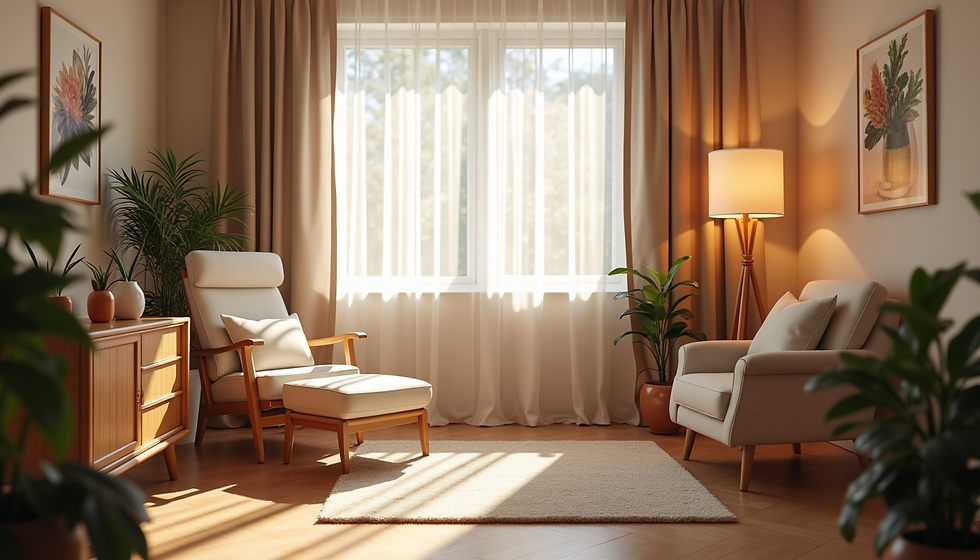
The practice usually starts with a quiet, comfortable setting where you can sit or lie down without distractions. You focus on one muscle group at a time, such as your hands, arms, shoulders, or legs. The steps include:
Tensing the muscle group for about 5 to 10 seconds, noticing the sensation of tightness.
Releasing the tension suddenly and fully, paying attention to the feeling of relaxation.
Moving to the next muscle group and repeating the process.
This sequence encourages a contrast between tension and relaxation, making it easier to identify and let go of stress-related tightness.
Benefits for Stress Relief
Progressive relaxation offers several benefits for managing stress:
Reduces physical tension: Stress often causes muscles to tighten, leading to headaches, neck pain, or backaches. Progressive relaxation targets these areas, helping muscles loosen and reducing discomfort.
Lowers heart rate and blood pressure: Relaxing muscles signals the body to calm down, which can slow the heart rate and lower blood pressure, counteracting the effects of stress.
Improves sleep quality: Many people find it easier to fall asleep and stay asleep after practicing progressive relaxation, as it calms the mind and body.
Decreases anxiety: By focusing on the body and breathing, progressive relaxation can reduce feelings of anxiety and promote a sense of control.
For example, a study published in the Journal of Behavioral Medicine found that participants who practiced progressive relaxation regularly reported lower stress levels and improved mood compared to those who did not.
How Progressive Relaxation Enhances Mental Clarity
Stress can cloud thinking and reduce focus. Progressive relaxation helps clear mental fog by:
Increasing body awareness: When you notice where tension builds, you can address it before it affects your thinking.
Promoting mindfulness: The technique encourages present-moment focus, which improves concentration and reduces distracting thoughts.
Encouraging deep breathing: Relaxed muscles often lead to slower, deeper breaths, which increase oxygen flow to the brain and support cognitive function.
Reducing cortisol levels: Stress hormones like cortisol can impair memory and decision-making. Relaxation helps lower these hormone levels, supporting clearer thinking.
People who use progressive relaxation often report feeling more alert and better able to handle complex tasks after a session.
Practical Tips for Starting Progressive Relaxation
You don’t need special equipment or a lot of time to begin. Here are some tips to get started:
Set aside 10 to 20 minutes in a quiet space where you won’t be interrupted.
Wear comfortable clothing that doesn’t restrict movement.
Start at your feet or hands and work your way up or down the body.
Focus on the difference between tension and relaxation in each muscle group.
Practice regularly, ideally daily, to build the habit and see lasting benefits.
Use guided recordings if you find it hard to focus or want extra support.
Who Can Benefit from Progressive Relaxation?
This technique suits a wide range of people, including:
Students facing exam stress or concentration challenges.
Professionals dealing with workplace pressure.
People with anxiety or insomnia looking for natural relief.
Anyone experiencing chronic pain related to muscle tension.
Older adults seeking gentle ways to relax and improve sleep.
Because it is safe and non-invasive, progressive relaxation can complement other stress management strategies or therapies.
Common Challenges and How to Overcome Them
Some beginners may find it difficult to focus or feel impatient with the process. Here are ways to address common issues:
Restlessness: Try shorter sessions at first, gradually increasing time as you get more comfortable.
Difficulty noticing tension: Pay close attention to subtle sensations and practice regularly to improve body awareness.
Mind wandering: Gently bring your focus back to the muscle group and breathing without judgment.
Physical discomfort: Adjust your position or skip muscle groups that cause pain.
With patience and consistency, progressive relaxation becomes easier and more effective.
Integrating Progressive Relaxation into Daily Life
You can use progressive relaxation in various settings:
Before bed to unwind and prepare for sleep.
During breaks at work to reduce tension and refresh your mind.
After exercise to relax muscles and speed recovery.
When feeling overwhelmed to regain calm quickly.
Combining progressive relaxation with other healthy habits like regular exercise, balanced nutrition, and mindfulness can further enhance stress relief and mental clarity.

Comments